
The first time I heard the phrase “correlation does not imply causation”, I thought, well ok, but what’s a good real world example of this?
I think the example given in the textbook I was reading was something to do with ice cream consumption and swimming pool use… fine but contrived.
Here’s are more eye catching one that I saw in a post over at dynomight. The following two statements are true:
-
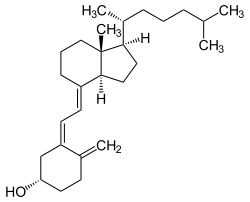
If you measure a bunch of people’s blood levels of Vitamin D and also check to see how many of them die in a multiyear period you find that low vitamin D levels are highly correlated with higher mortality. Specifically, people in the 25th percentile are 30% more likely to die than those in the 75% percentile.
-
Giving people vitamin D supplements has little to no effect on their health.
The 25th and 75th percentiles are not that far from the mean! As a point of comparison, those percentiles for UK men’s height are about 174cm and 181cm1. Not particularly high or low values!
How can this be? As far as I can tell we don’t really know. My guess would be that there are one or more health conditions that cause both low vitamin D levels and elevated risk of death. Given how complicated the signaling systems in the human body are, this doesn’t seem all that far fetched.
At the same time I find this fact quite upsetting. Why couldn’t we live in the universe where vitamin D was a magical health bullet? Actually we do live in a world replete with magical health bullets already: antibiotics, vaccines, basic nutrition, exercise, statins, maybe soon GLP-1 inhibitors. It’s just that vitamin D supplements aren’t one of them.
Of course, there are also a lot of footnotes to the above claims. For example, the RCT studies, the ones where you actually give half of your participants the supplements, all seem to be done on people with a wide range of starting levels of vitamin D, they also don’t really measure the starting or new levels very often. I suspect this is because doing 30,000 blood tests is much more expensive than asking 30,000 people to take some cheap as chips supplements. As a result you could wonder if perhaps vitamin D supplements do help people with lower starting levels of vitamin D and that effect just gets washed out by the slightly higher chance of bladder stones everyone else gets.